Unrefined Gold Sellers. We live in a world obsessed with the finished product. We are mesmerized by the flawless, 99.99% pure gold bars stacked in central bank vaults, the gleaming cases of luxury jewelry boutiques, and the microscopic, flawless components that power our highest technologies. We are conditioned to associate value solely with absolute purity and polished perfection.
But to truly understand the global economy, we must look backward. This means stripping away the polish to examine the raw, rugged foundation of global wealth. Before it shines, gold is heavy, dull, and marked by the earth it came from. The journey of transforming this rough potential into global prosperity is a complex, deeply human story, and at the absolute center of this transformation are modern, unrefined gold sellers who are rewriting the rules of international trade.
Discover the fascinating mid-stream gold supply chain. Learn how ethical unrefined gold sellers bridge the gap between DRC miners, Ugandan refineries, and the world.
To understand the modern gold trade, you must unlearn the sanitized version of commodities trading and look toward the Great Lakes region of Africa. Specifically, you must examine the profound synergy between the resource-rich Democratic Republic of Congo (DRC) and Uganda, a logistical and refining powerhouse.
This is not an article about jewelry or banking. This is a deep dive into the “mid-stream” of the global supply chain; the crucial, often-misunderstood space where raw earth becomes recognizable wealth. It is a story about how embracing the unpolished stages of commerce is bringing transparency, equity, and empowerment to one of the oldest trades in human history.
The Anatomy of Imperfection: What is Unrefined Gold?
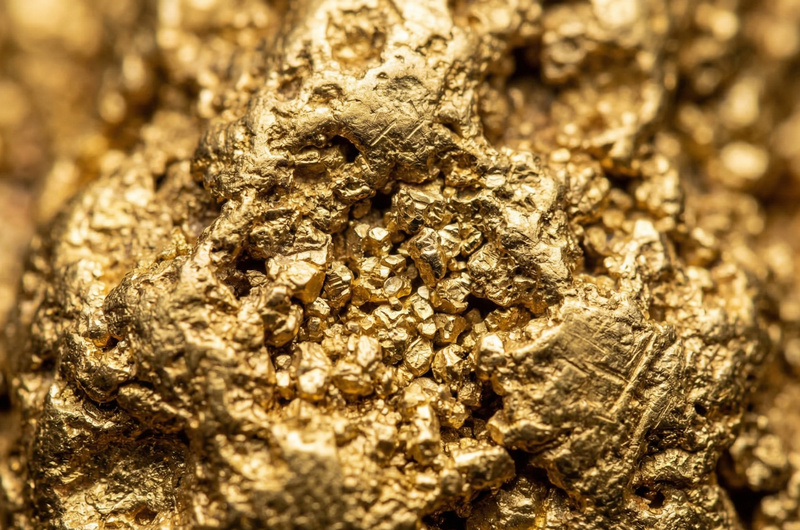
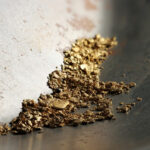
When gold is pulled from the earth, it is rarely pure. Whether it is panned from a river or chiseled from a hard-rock vein, raw gold is naturally alloyed with other elements. It is bound to silver, copper, zinc, and iron. It is caked in quartz and soil.
In artisanal mining communities in the DRC, miners often aggregate their daily finds and use basic, localized heat to melt the raw flakes and nuggets into a single, cohesive lump. This is known in the industry as a doré bar (from the French word for “golden”). A doré bar is heavy, textured, and unique. It might be 75% gold, 85% gold, or somewhere in between. It is the geological fingerprint of the exact patch of earth from which it was extracted.
Because it is imperfect and its exact purity cannot be determined by the naked eye, unrefined gold exists in a state of financial limbo. It has immense inherent value, but it is not yet ready for the global market, which demands absolute, standardized certainty. It requires an expert custodian to take it from the remote jungles and translate it into the universal language of global finance. Unrefined Gold Sellers.
Why Ethical Unrefined Gold Sellers Are Essential to the Supply Chain
This state of imperfection is where the supply chain is historically the most vulnerable. For decades, the gap between the artisanal miner holding a piece of unrefined gold in the DRC and the pristine trading floors of London or Dubai was filled by shadow networks, smugglers, and exploitative middlemen. Because the unrefined gold lacked formal certification, miners were forced to accept severely discounted prices.
Today, forward-thinking, formalized, unrefined gold sellers have stepped in to fundamentally correct this market failure. Unrefined Gold Sellers.
Operating predominantly from formal hubs, these sellers serve as a crucial bridge between the informal mining sector and the highly regulated global economy. They do not exploit the uncertainty of the doré bar; they resolve it. They bring capital, scientific testing equipment (such as XRF spectrometers), and formal business structures to the edge of the mining frontier.
By purchasing unrefined gold directly from authorized Congolese mining cooperatives at fair, market-driven prices, these sellers inject vital, immediate liquidity into rural economies. They absorb the immense risks of trade, logistics, security, and complex border taxation. They also absorb the price fluctuations of the global commodities market, so the miners do not have to.
Without these sellers, the miners would be entirely cut off from the global economy. The seller acts as the necessary translator, turning a rough, localized commodity into a secure, internationally recognized asset.
The Heartbeat of the Trade: The Democratic Republic of Congo
To appreciate the gravity of this trade, you must start by respecting the origin of the metal. The DRC is arguably the most geologically wealthy nation on Earth. It holds trillions of dollars in untapped mineral reserves.
Yet, international headlines frequently reduce the DRC to a monolith of conflict. This is not just an outdated perspective. It also strips millions of Congolese citizens, who rely on artisanal mining as a dignified, generational livelihood, of their agency and entrepreneurial spirit.
In regions like the Kivu provinces, artisanal gold mining is the backbone of the micro-economy. Men and women work tirelessly to extract the ore, navigating deep shafts or washing river sediment. The unrefined gold they produce is the currency that builds local schools, funds community healthcare, and allows families to envision a future beyond subsistence farming.
When we hold a piece of refined gold, we rarely feel the sweat, the determination, and the sheer physical endurance of the Congolese miner. Acknowledging this origin does not diminish the value of the gold. It vastly enriches it. It transforms a cold piece of metal into a testament of human resilience.
The Ugandan Crucible: Turning Potential into Purity
The DRC may provide the raw, unrefined material, but the international market cannot absorb it in that state. The unrefined gold must be upgraded, certified, and heavily audited before it can enter the global financial system.
This is where Uganda’s role becomes absolutely indispensable.
Uganda has strategically positioned itself as the safe harbor and the premier refining crucible for East and Central African gold. It possesses stable infrastructure, favorable geographic borders, and advanced technological capabilities that the remote mining regions of the DRC currently lack.
When unrefined gold sellers legally export their doré bars and nuggets from the DRC, their destination is almost always the state-of-the-art refineries located in Ugandan cities like Kampala and Entebbe.
The process that occurs in Uganda is nothing short of modern alchemy. The unrefined gold is formally imported, and all relevant taxes and royalties are paid to both governments; a critical step that transforms the gold from a potential “grey market” good into a fully legitimate, nation-building export.
At the Ugandan refineries, the unrefined gold undergoes rigorous scientific testing. It is melted in massive crucibles at temperatures exceeding 1,064 degrees Celsius. Chemicals and fluxes are introduced to bind with the impurities, the silver, copper, and earth, separating them from the gold. What emerges is 99.99% pure bullion, ready to be stamped, serialized, and shipped to the world.
Uganda, therefore, is not just a transit route. It is the vital mechanism that validates, purifies, and formalizes the African gold trade.
How Unrefined Gold Sellers Navigate the Complexities of Global Trade
The transition from a rough-doré bar to a globally traded asset is rife with legal and ethical complexities. In the modern era, you cannot simply move precious metals across borders without answering a barrage of questions: Where did this come from? Who mined it? How was it extracted?
The most reputable unrefined gold sellers are not just logisticians. They are pioneers of compliance who operate under the strict, watchful eyes of international frameworks, including the OECD Due Diligence Guidelines for Responsible Supply Chains and the International Conference on the Great Lakes Region (ICGLR) certification process.
To sell unrefined gold legitimately today means embracing radical transparency. It means knowing the leaders of the Congolese mining cooperatives by name, conducting regular site visits to ensure that no child labor is used and that the environment is respected, generating an unbroken paper trail, and, increasingly, an immutable digital blockchain trail that proves the gold did not fund armed conflict.
When a seller successfully navigates this bureaucratic and ethical minefield, they achieve something remarkable. They prove to the world that “DRC gold” need not be synonymous with “conflict gold.” By adhering to the highest standards of international law, these sellers protect the global buyer from reputational risk while simultaneously protecting the Congolese miner from exploitation.
The Economics of the Unpolished
You might be wondering: if the end goal is always 99.99% pure gold, why does an entire global market exist specifically for unrefined gold? Why do major international refineries and large-scale buyers seek out these unpolished bars?
The answer lies in the mechanics of value addition.
Unrefined gold is typically traded at a slight discount to the global “spot price” (the current market price for pure gold). This discount accounts for the impurities in the bar and the cost of the final refining process. For a high-tech refinery in Europe, the Middle East, or Asia, buying unrefined gold from a trusted Ugandan seller is highly lucrative. They purchase the raw material, use their multi-million-dollar facilities to extract pure gold (and often valuable trace amounts of silver and copper), and capture the margin on that value addition.
Furthermore, buying unrefined gold allows major institutions to control the final stages of the supply chain. By starting with a doré bar that comes with an ethical, traceable pedigree from Uganda and the DRC, the final buyer can confidently stamp their own corporate seal on the refined bar, knowing its history is clean.
In this way, unrefined gold is the ultimate economic canvas. It is the raw material upon which global industry, finance, and technology are built.
The Unseen Thread of Humanity
There is a profound philosophical takeaway hidden within the logistics of the unrefined gold trade.
We spend so much of our lives chasing the polished, the perfect, and the refined. Yet, perfection is never a starting point. It is a destination. True value is born in the dirt, in the rough edges, and in the imperfect states of being.
Consider the incredible chain of human trust and cooperation required to move a heavy, impure block of metal from a remote jungle in the Congo, through the high-tech furnaces of Uganda, and eventually into the microprocessors of the world’s computers or the vaults of global banks.
It requires the deep, ancestral earth-knowledge of the Congolese artisanal miner. It requires the bold financial risk and logistical brilliance of the East African aggregator. Moreover, it requires the scientific precision of the Ugandan refiner and the meticulous legal exactitude of the compliance officer.
The ethical unrefined gold sellers who orchestrate this monumental effort are doing far more than moving a commodity from Point A to Point B. They are weaving an invisible thread of economic dignity that connects the most marginalized, hardworking communities in Africa to the highest echelons of global finance.
By formalizing this trade, paying fair wages, and insisting on transparency, they are proving that capitalism can be a profound force for good. They are turning the earth’s natural wealth into schools, hospitals, and infrastructure that will define the future of the African continent.
The next time you look at a piece of fine jewelry, a gold coin, or even the screen of your device, do not just see the shine. See the unpolished truth, the rough, heavy doré bar, and the sweat of the miner. Add to this the heat of the Ugandan refinery, and the unyielding commitment of the merchants who guided it safely into the light, and you get the whole picture.
When we learn to value the unrefined origins of our wealth, we fundamentally change how we value the world.
If this deep dive into the realities of the global supply chain resonated with you, consider bookmarking this page for future reference. Share it with colleagues, investors, and friends who are passionate about African economics, ethical sourcing, and the complex, human stories behind the world’s most valuable resources.
Otherwise, contact us to learn how we can help you.

[…] the definitive guide to safely buy gold bars online when the supply originates in the DRC and is exported through Uganda. Learn how to verify assay, […]