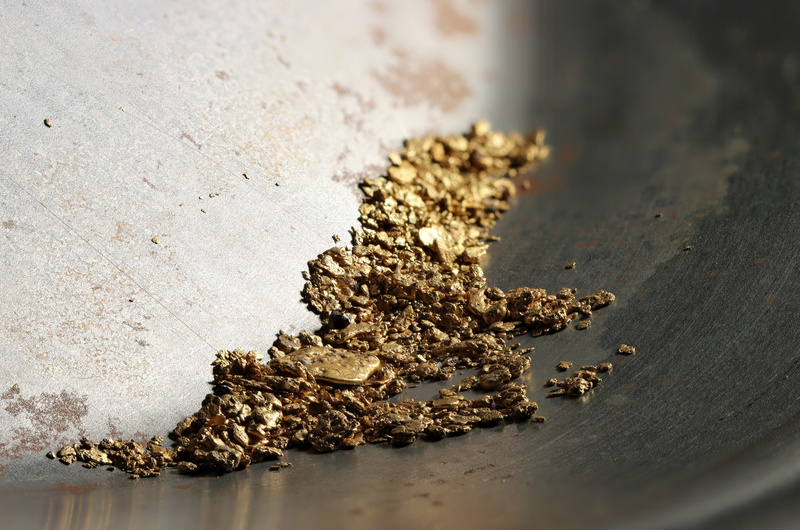
If you were to stand on the banks of a winding river deep within the Kivu region of the Democratic Republic of Congo (DRC), you would not see the gleaming, solid bullion we typically associate with wealth. Instead, you would see water, mud, and men and women standing knee-deep in the current, swirling wide, shallow pans. What they are looking for is almost invisible to the untrained eye: tiny, heavy, dull-yellow flakes hidden amidst a slurry of black sand.
This is gold in its most primordial state. The journey of transforming these microscopic fragments into the foundational wealth of the modern world is a story of geology, intense human endurance, and complex international trade. At the very heart of this incredible transformation are modern gold dust sellers. They act as the vital bridge between the remote rivers of Central Africa and the sophisticated financial hubs of the globe.
Discover the untold story of alluvial mining. Learn how responsible gold dust sellers in Uganda transform raw DRC river sand into certified, global wealth.
To understand the global economy of precious metals, you’ll first need to unlearn the Hollywood image of the gold trade. Wealth does not begin in an underground Swiss bank vault. Rather, it starts in the dirt. And understanding how that dirt is ethically extracted, refined, and traded offers a fascinating new lens on global commerce.
This is not a tale of corporate mining giants tearing up the earth with heavy machinery. It is a look into the grassroots, artisanal economy of the Great Lakes region of Africa, and how a new generation of professionals based in Uganda is rewriting the rules of the trade.
The Science and Sweat of Alluvial Mining
Before we can discuss how this resource is traded, we have to understand how it is found. The DRC sits on one of the most geologically rich areas on the planet. Over millions of years, water has eroded ancient, gold-bearing rock formations. As the rock wore away, the gold, which is incredibly heavy and dense, was carried by rivers and streams, eventually settling in the riverbeds and floodplains. This is known as an alluvial, or placer, deposit.
If you consider that these deposits are spread across vast, remote areas, you will realize that they cannot be easily mined by large corporations. Instead, they are harvested by artisanal miners, local individuals using techniques that date back centuries.
The process is an exercise in applied physics. Gold has a very high “specific gravity,” meaning it is significantly heavier than the sand, quartz, and topsoil that surround it. Miners scoop riverbed material into a pan and use the river’s flow to continuously wash the sediment. Because the gold is heavier, it sinks to the very bottom center of the pan, while the lighter, worthless materials are washed over the edge.
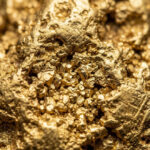
What remains is gold dust. It is not pure as it’s often mixed with iron ore, silver, or copper. It does not look like the jewelry you buy from the mall; it looks like heavy, metallic sand. Yet, for millions of people in the DRC, this dust is the most reliable currency they have. It is a tangible reward for backbreaking labor, used to buy groceries, pay school fees, and build homes.
Holding a vial of this dust is a humbling experience. You’re not just holding a commodity; you’re holding crystallized human effort. Gold dust Sellers.
Why Gold Dust Sellers Are Essential to the Ecosystem
The fundamental challenge of gold dust is its vulnerability. Because it is granular and unrefined, its exact purity is difficult to determine with the naked eye. A vial of dust might be 80% pure gold, or it might be 90% pure gold. To an artisanal miner standing on a riverbank, it is nearly impossible to scientifically prove the exact value of their yield.
Historically, this absence of scientific verification created an incredibly unbalanced power dynamic. Middlemen and smugglers would travel to these remote mining sites and purchase the dust for a mere fraction of its actual market value. The miners, without the capital to travel to international markets or the technology to refine the dust themselves, had no other choice but to accept whatever price was dictated to them. The dust would then be smuggled across borders, evading taxes and untethered from any ethical oversight.
This is precisely where legitimate gold dust sellers step in to correct the market.
A formal, ethical seller does not exploit the miner; they empower them. By creating registered, transparent buying operations—often working directly with organized mining cooperatives in the DRC—these sellers introduce fair-market pricing to the deepest parts of the supply chain. They use field-testing equipment to provide miners with an accurate, transparent assessment of their dust, and they pay them a fair wage based on the actual global spot price of gold.
The seller assumes the immense logistical, financial, and security risks of transporting the raw material from the remote jungle into the formalized global market. They are the essential aggregators, turning a fragmented, chaotic local trade into a structured, reliable international supply chain. Gold dust Sellers.
The Ugandan Hub: Where Dirt Becomes Destiny
Once the gold dust is ethically aggregated in the DRC, it must be introduced to the global market. But international buyers, like tech manufacturers, jewelers, or central banks, cannot use raw dust. They require standardized, certified, 99.99% pure gold bullion.
To achieve this, the dust must cross a border, and for the East African gold trade, all roads lead to Uganda.
Why Uganda? The relationship between the DRC and Uganda is deeply symbiotic. The DRC possesses the raw mineral wealth, but its vast size and infrastructural challenges make establishing high-tech, internationally certified refineries incredibly difficult. Uganda, conversely, offers a stable political climate, robust logistical infrastructure, and a rapidly advancing technological sector.
Over the past decade, Uganda has become the premier refining capital of the Great Lakes region. When raw gold dust is legally exported from the DRC, it is transported to sophisticated refineries in Ugandan cities such as Kampala and Entebbe.
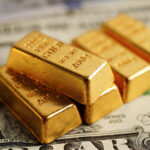
Here, the alchemy truly happens. The raw dust is subjected to intense heat, often exceeding 1,064 degrees Celsius (1,947 degrees Fahrenheit). It is smelted, treated with specialized fluxes that bind to the impurities, and separated. The non-gold elements are stripped away. This leaves behind liquid, pure gold that is poured into molds to create standard kilobars.
By operating out of Uganda, sellers can legally import the raw dust, pay the necessary customs and royalties to both the DRC and Ugandan governments, and utilize state-of-the-art facilities to upgrade the product. Uganda serves as the crucible, transforming the Congo’s raw potential into a universally accepted standard of wealth. Gold dust Sellers.
Navigating the Minefield of Compliance
The phrase “conflict minerals” has cast a long, dark shadow over African mining for decades. And while the media often paints the entire continent with this brush, the reality is far more nuanced. The modern gold trade is heavily regulated, and legally moving precious metals across borders is an incredibly complex administrative process.
The most distinguished gold-dust sellers are not just metallurgy experts; they are experts in international law and compliance.
To sell gold into the European, Asian, or American markets today, a seller must prove exactly where the metal originated. They must adhere to the stringent guidelines set forth by the Organization for Economic Co-operation and Development (OECD). Furthermore, in the Great Lakes region, they must secure an ICGLR (International Conference on the Great Lakes Region) certificate.
This certificate is not just a piece of paper. It is the culmination of rigorous due diligence. It guarantees that the gold dust was mined in a “green” zone, an area free of armed rebel groups’ control. It guarantees that the mining cooperative does not use child labor. It ensures that extraction methods actively mitigate environmental damage.
When a Ugandan-based seller offers gold to an international buyer, they are offering a clean, heavily vetted, heavily audited product. They spend countless hours and significant capital ensuring their supply chain is completely transparent. That seller visits the mines to create relationships with cooperative leaders. They maintain meticulous digital and paper trails.
In doing so, they completely dismantle the black market. They prove that you can source minerals from the DRC responsibly, legally, and beautifully. Gold dust Sellers.
The Economic Impact of Ethical Gold Dust Sellers
When you understand the mechanics of this trade, you begin to see how a single purchase can impact the lives of thousands of people. The choice of who we buy from has profound geopolitical consequences.
When an international buyer, whether a private investor in Dubai or an electronics manufacturer in Tokyo, chooses to work with transparent, ethical gold dust sellers, they are injecting capital directly into a legitimate, life-sustaining ecosystem.
The impacts are tangible and immediate:
- Dignity and Fair Compensation: Artisanal miners are paid fairly for their labor. This allows them to transition from a mode of pure survival to a mode of economic planning. They can invest in better, safer mining equipment, rather than relying on hazardous methods.
- Infrastructure and Taxation: Legal trade means legal taxes. When gold dust is properly exported from the DRC and imported into Uganda, both nations collect vital revenue. These funds pave roads, build schools, and fund hospitals in regions that desperately need them.
- Starving the Black Market: Illicit actors thrive in the shadows. By bringing the gold dust trade into the light, formalizing it, and offering better prices than smugglers, ethical sellers actively starve criminal networks of their funding. Ethical trade is, quite literally, a tool for peacebuilding.
This is the hidden value of the Ugandan-DRC gold corridor. It is a brilliant example of African nations working together to harness their natural resources, refine them locally, and present them to the world on their own terms.
Redefining How We Look at Value
Take a moment to reflect on the sheer scale of human cooperation required to make the modern world function.
We live in an era of instant gratification. We tap our phones, we swipe our cards, we expect our technology and our jewelry to simply exist. We rarely pause to consider the dirt, the river, the heat, and the incredible legal frameworks that brought those items out of the earth and into our hands.
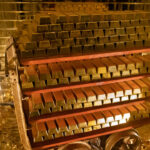
The story of African gold dust is a powerful reminder of our deep interconnectedness. It reminds us that behind every polished gold bar sitting in a vault, and behind every microchip powering our global communications, a person is standing in a river in the Congo, holding a pan, looking for a glint of yellow in the sand.
A Ugandan refinery worker is operating a high-temperature furnace, carefully skimming impurities from liquid metal.
A meticulous compliance officer is ensuring that every gram of that metal has brought economic empowerment to its source, rather than conflict.
Choose Transparency
The professionals who orchestrate this, the ethical sellers who choose transparency over shortcuts, are doing much more than trading a commodity. These are curators of a global supply chain that values human dignity just as highly as it values profit. They are taking the rawest, most unassuming form of wealth, dust, and transforming it into a force for regional stability and economic growth.
The next time you encounter gold, in any form, do not just see its shine. See the journey. See the river. See the incredible alchemy of a continent that is building a formalized, ethical, and immensely powerful bridge to the rest of the world.
If this article changed the way you view the global supply chain, precious metals, or the economic landscape of East Africa, consider bookmarking this page or sharing it with your network. Understanding the origin of our resources is the first step toward building a more transparent and equitable world.