Gold may be one of the world’s oldest stores of value, but buying it safely requires modern due diligence. This is particularly important when purchasing gold online or sourcing it internationally. An attractive price, professional website, and photographs of gold bars do not prove that a seller can complete a legitimate transaction.
If you are wondering where to buy gold safely, the answer is not simply a particular country or website. The safest place is a verified dealer that can demonstrate its authority to trade, establish the origin and ownership of its gold, arrange reliable purity testing, and provide the documents required to move it lawfully.
Uganda has become an important gateway for buyers seeking gold from the Democratic Republic of Congo (DRC) and the wider Great Lakes region. Kampala connects mineral-producing areas with testing facilities, refineries and international transport networks. Buyers must nevertheless distinguish genuine suppliers from brokers or fraudsters who cannot deliver what they advertise.
This guide explains the checks you should complete before purchasing gold.
Why Finding a Safe Gold Seller Requires More Than an Online Search
An online search will reveal numerous businesses claiming to sell gold bars, nuggets or dust. The challenge is determining which sellers possess the gold, have the right to sell it and can support their claims with verifiable evidence.
Gold transactions attract fraud because the product is valuable, portable and difficult for inexperienced buyers to assess remotely. Photographs can be copied, licences altered and documents reused for unrelated shipments.
A safe purchasing decision should therefore involve several checks, including:
- The seller’s registration and licensing
- The origin and ownership of the gold
- The product’s form, weight and expected purity
- The assay procedure that will be followed
- The payment and delivery terms
- Export, customs and transport documents
- Insurance and secure logistics
Reliable sellers understand the need for these checks and should provide information that can be independently verified.
Where to Buy Gold Safely in Africa
Africa is one of the world’s leading gold-producing regions. Buyers may find opportunities in South Africa, Ghana, Tanzania, Uganda and the DRC. However, the safest supply route depends on the product, volume, destination and documentation available.
For buyers interested in Central and East African gold, Kampala provides a practical transaction point. Uganda is close to the DRC while offering access to commercial, refining and international logistics infrastructure.
Gold from the DRC may enter Uganda legally for testing, processing, sale or export. However, crossing the border does not automatically make it compliant. The seller should demonstrate how the gold entered Uganda. They must also provide documents connecting it to a legitimate source.
Uganda’s Directorate of Geological Survey and Mines publishes mineral licensing procedures for businesses involved in mineral trading, importing and exporting. These requirements show why gold purchasing must be treated as a regulated commercial transaction. Where to buy gold safely.
Begin by Verifying the Gold Dealer
The first question should not be, “How much does the gold cost?” It should be, “Who is offering to sell it?”
Request the dealer’s registered business name, physical address, company details and relevant mineral-trading licence. Check that the same names and identifying information appear on the licence, invoice, purchase agreement and bank account.
Do not accept a licence merely because the seller sends you a photograph or PDF. Where possible, verify it with the issuing authority. Confirm that it is current, covers the mineral offered and authorises the proposed activity.
You should also establish whether you are dealing with the licensed company or an intermediary. Brokers can play a legitimate role, but they should produce written proof that they are authorised to represent the seller.
A supplier with an accessible office is generally easier to investigate than someone operating exclusively through a messaging application. Buyers sourcing through Uganda can visit the seller’s Kampala premises. Otherwise, they can appoint a local lawyer, inspection company or trusted representative to conduct checks. Where to buy gold safely.
Establish Where the Gold Comes From
Knowing where to buy gold safely also means establishing where the product originated.
This is especially important with gold sourced from the DRC. The country has substantial mineral wealth, but parts of its mining sector operate in areas affected by conflict, informal trading and weak oversight. Responsible buyers must investigate the supply chain without assuming that all Congolese gold is illicit.
A legitimate supplier should explain the chain of custody from the source to the point of sale. Evidence may include supplier records, proof of purchase, certificates of origin, mine or cooperative information, import permits, royalty receipts and transport documents.
The OECD Due Diligence Guidance for Responsible Mineral Supply Chains provides a recognised framework for identifying and managing risks in conflict-affected and high-risk areas.
A general promise that the gold is “conflict-free” is not sufficient. The claim should be supported by records relating to the particular consignment.
Confirm What Type of Gold You Are Buying
The word “gold” can refer to several products with different characteristics:
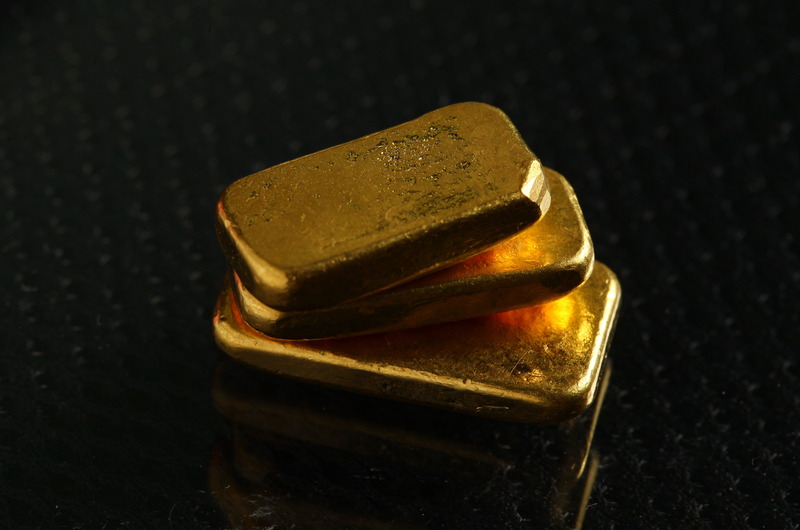
- Refined investment bars
- Doré bars
- Gold nuggets
- Gold dust
- Coins
- Scrap or recycled gold
A refined investment bar may have a purity of 99.5% or 99.99%, while doré contains gold mixed with silver, copper and other metals. Nuggets and gold dust can also vary considerably in purity.
The product type affects its price, testing requirements, refining costs and documentation. A refinery buying doré has different needs from an individual investor looking for a standardised bullion bar.
Be cautious when rough gold is advertised as 24-karat bullion or when exceptional purity is guaranteed before an acceptable assay has been conducted.
Arrange Independent Testing
Gold-coloured metal is not necessarily gold. Even when the material is genuine, its purity cannot be established from photographs or videos.
Videos may confirm that a seller had access to a product at a particular time. However, they do not prove ownership, purity or export authority. A safe transaction requires testing by a competent and preferably independent facility.
X-ray fluorescence can provide a rapid indication of surface composition. Because it mainly analyses the surface, further testing may be necessary for a substantial transaction. Buyers may require samples to be taken from different points and examined through an agreed fire-assay process. Where to buy gold safely.
The purchase agreement should establish:
- Where testing will occur
- Who will witness the sampling
- Which testing method will be used
- Which result will determine the price
- What happens if the purity differs from the seller’s claim
These terms should be settled before testing or payment begins.
Compare the Price with the International Market
An unrealistic discount is one of the clearest warning signs in a gold transaction.
Gold has an internationally visible market value. Prices may vary because of purity, volume, location, taxes, refining costs and contractual terms, but genuine gold is rarely sold at a fraction of its recoverable value.
The World Gold Council publishes market information that buyers can use to understand gold-price trends. A legitimate quotation should explain the benchmark used, how the discount or premium is calculated and when the price will be fixed.
Does the discount appear unusually large? Ask what commercial costs or risks it reflects. Promises of extraordinary profits should never persuade you to overlook inconsistencies.
Use a Detailed Purchase Agreement
A verbal promise or messaging-app conversation is not an adequate basis for an international gold purchase.
The parties should sign an agreement setting out the product, quantity, expected purity, price formula, assay procedure, payment milestones, taxes, delivery terms and dispute-resolution process.
The agreement should identify who is responsible for obtaining export approval, paying official fees, arranging insurance, completing customs declarations and addressing assay discrepancies or non-compliant shipments.
For a high-value purchase, have the contract reviewed by a lawyer familiar with mineral trading and cross-border transactions. Buyers must also investigate the import, tax and anti-money-laundering requirements in their destination country.
Choose a Secure Payment Structure
Fraudsters often demand advance payments for transport, insurance, customs clearance or security. The buyer may then face a series of new charges while the shipment never materialises.
Not every advance expense is fraudulent. Gold exports can involve legitimate testing, handling, regulatory and logistics costs. The important questions are whether each fee is genuine, clearly documented and paid through an accountable process.
Where possible, connect payments to verifiable milestones. The parties may consider escrow, an appropriate bank instrument or a supervised test-and-payment arrangement. Funds should go to the verified company account named in the contract, not an unrelated individual or a frequently changing account. Where to buy gold safely.
The payment structure should protect the seller from releasing gold without payment while preventing the buyer from paying the full price before verifying the product and documents.
Examine Export and Shipping Documents
Possessing gold does not necessarily mean that a seller has authority to export it.
Depending on the transaction, a shipment may require proof of legal acquisition, a certificate of origin, assay report, commercial invoice, tax or royalty receipts, export permit, customs declaration and transport documentation.
Imported minerals must also be supported by evidence of lawful entry into Uganda. Because requirements and fees can change, buyers should verify the rules that apply when the transaction takes place.
Names, weights, dates, licence numbers and destinations must be consistent across the documents. Any discrepancies should be resolved before shipment.
Gold should be moved through a reputable secure-logistics provider and insured appropriately. Verify the airway bill or transport record directly with the carrier instead of relying on a screenshot from the seller.
Warning Signs of an Unsafe Gold Offer
Stop and investigate if a seller:
- Offers a commercially unrealistic discount
- Refuses independent testing or inspection
- Pressures you to make an immediate payment
- Cannot provide a verifiable address
- Changes company or bank details
- Requests payment to an unrelated person
- Supplies inconsistent documents
- Claims official procedures can be bypassed
- Demands repeated unexpected fees
- Refuses to identify the gold’s source
- Guarantees purity without an acceptable assay
A legitimate opportunity should withstand proper scrutiny. Urgency must never replace due diligence.
Can You Buy Gold Safely Online?
Yes, but online communication should be where the transaction begins, not where verification ends.
A secure online purchase still requires confirmation of the seller’s identity, trading authority, product, assay process, payment terms and delivery arrangements. For a significant purchase, a physical inspection or independent local representative is advisable.
The Gold Vault Store guide to buying gold bars online provides additional information for buyers interested in gold originating in the DRC and traded through Uganda.
Online contact can make purchasing more convenient, but it should not remove the safeguards that would apply if the parties met in person. Where to buy gold safely.
Where to Buy Gold Safely in Kampala
Kampala gives international buyers access to gold sourced from Uganda, the DRC and the wider region. Its strength lies in its proximity to mining areas and access to the services needed to test, document and transport gold.
Gold Vault Store is based at 29 Philip Road Building, Nakasero, Kampala, and supplies gold products to local and international buyers. The company operates within the DRC–Uganda supply corridor. It assists clients through the purchasing process.
Prospective buyers should specify the type of gold required, the quantity, the destination, and the preferred transaction terms. This enables the seller to confirm availability and explain the applicable testing, documentation, and delivery procedures.
To discuss a purchase or request an offer, contact Gold Vault Store, call +256 788 106 745 or email info@goldvaultstore.com.
Safe Gold Buying Begins with Verification
Where to buy gold safely cannot be determined by price alone. Safety comes from identifying the supplier, confirming its authority to trade, independently testing the gold, investigating its origin, and agreeing to a transparent commercial process.
This is particularly important when sourcing DRC gold through Uganda. The region presents genuine opportunities. Nonetheless, a transaction should be supported by a traceable supply chain and the correct legal documents.
Verify every major claim before committing funds. When the seller, gold, and transaction process can all withstand independent scrutiny, you are much closer to buying gold safely.