
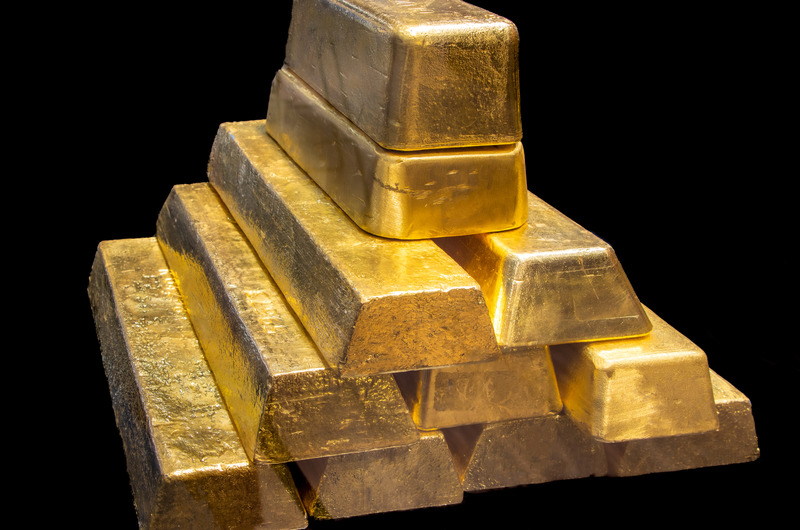
Buying close to the source appeals to investors, jewellers, refiners and traders seeking clearer information about their gold. It may reduce unnecessary brokerage and make recurring supply easier to plan.
However, the decision to buy gold direct from miners should not be based on the promise of a large discount. A mine may produce genuine gold without having the licences, expertise or logistics required to sell it internationally. Some people who describe themselves as miners are brokers with no control over a mine or its production.
A responsible purchase connects mine-level access with the systems needed to test, document and export the gold. This is particularly important when sourcing from the Democratic Republic of Congo (DRC) through Uganda.
This guide explains what buying directly from miners means, how to verify a mining source, and how to move from an attractive offer to a properly structured transaction.
What Does It Mean to Buy Gold Direct From Miners?
The phrase can describe several arrangements. You might purchase from a large-scale mining company, an artisanal or small-scale mining cooperative, a licensed mine operator, or an authorised company that aggregates and markets production on behalf of miners.
These are not identical relationships. A large company may control extraction, processing, and sales, while artisanal miners may sell through a cooperative, a trader, or an exporter. The buyer should still be able to identify the producing area and establish the seller’s authority to market its output.
When we talk about buying direct, we do not mean handing money to someone at a mine. Rather, a safe route must still involve a licensed dealer, an assay facility, a refinery, a bank, and a logistics company. Each should perform a defined function in a traceable transaction.
Why Buyers Want to Purchase Gold at the Source
Mine-linked purchasing can offer real benefits when the supply chain is legitimate and properly managed.
Better Knowledge of Origin
Identifying the mine, cooperative, or producing community makes it easier to investigate origin and establish the seller’s right to offer the gold.
Fewer Unnecessary Intermediaries
Long broker chains introduce commissions, delays, and conflicting information. A direct relationship gives the buyer access to those who control production or to their authorised representative.
Potential for Continuing Supply
In most cases, commercial buyers need repeat deliveries. This means that a relationship connected to production provides a stronger basis for discussing volumes, schedules and quality than an isolated broker offer.
More Constructive Relationships with Producers
When mine-linked trade is responsible, it creates formal market access for legitimate artisanal and small-scale miners. This is what the OECD’s guidance on sourcing artisanal and small-scale gold explains when it observes that buyers can support positive change by conducting adequate due diligence and managing identified risks.
However, for these advantages to be enjoyed, there is a need for rigorous verification. All necessary participants and documents must remain identifiable.
Understand Who You Are Buying From
Before discussing price, establish who the “miner” actually is. Ask whether you are dealing with:
- The entity or individual holding the mining licence or concession
- A company contracted to operate the mine
- A registered mining cooperative
- An authorised representative of the producer
- A licensed dealer or exporter purchasing from miners
- A broker introducing the parties
Request the organisation’s registered name, physical location, mining or trading authority, tax details and names of authorised representatives. If an individual is negotiating on behalf of a mine or cooperative, obtain written confirmation of that authority.
Names on the offer, contract, invoice and bank account should be consistent. A mine document bearing one company’s name does not justify payment to an unrelated person.
Verify the Mine and Its Right to Produce Gold
Photographs beside a pit or videos of gold do not prove that the seller controls a mining operation.
Depending on the type of operation, verification may involve checking:
- The mining licence, concession or recognised artisanal mining area
- The licence holder and validity period
- The minerals the licence authorises the holder to extract
- The geographical coordinates of the permitted area
- Any agreement between artisanal miners and a concession holder
- Membership records and cooperative registration
- Records from planning to production and sales in the recent period
If possible, a visit to the site. Otherwise, appoint a qualified representative. Use appropriate authorities to combine inspection with document verification.
Production claims must be realistic. A small operation offering several tonnes for immediate delivery should demonstrate how the volume was accumulated, stored, and financed. Compare the offer with its records, equipment and processing capacity.
Distinguish Mine Production from Finished Bullion
Gold leaving a mine is not necessarily an investment-grade bar. Miners may produce concentrate, dust, nuggets, sponge gold or doré.
Doré is a semi-refined mixture that may contain silver, copper and other metals. A stamped bar produced near a mine should not automatically be treated as 99.99% pure bullion.
Once you are ready to ask for a quotation, you need first to decide what you need:
- Refined bars for investment or resale
- Doré for further refining
- Gold suitable for jewellery manufacturing
- A regular wholesale supply for commercial use
The choice affects testing, pricing, refining costs, and export arrangements. Buyers without refining capacity may be better served by refined gold.
Trace the Gold from Mine to Point of Sale
Knowing the mine’s location is only the beginning. The buyer should be able to follow the consignment from extraction through aggregation, processing, transport, testing, and export.
Records may include production logs, cooperative sales records, receipts, movement permits, royalty payments, certificates of origin, import documents, and refinery intake records.
Ask how the lot was accounted for. If production from multiple miners is combined, the aggregator should record each source and its quantity.
Many people believe that traceability is merely a certificate attached at the end. It is rather a consistent record connecting the physical gold to its stated source and legal owner.
Apply Responsible-Sourcing Due Diligence
While gold from the DRC can enter legitimate trade, buyers often find themselves having to answer questions relating to conflict, human rights, and illicit trade risks. Responsible sourcing means examining the particular supply chain rather than rejecting an entire country.
The OECD Due Diligence Guidance for Responsible Mineral Supply Chains provides a five-step framework for management systems, risk identification, risk response, independent audits and reporting.
Buyers should investigate possible links to armed groups, serious abuses, false origin declarations, bribery, money laundering or tax evasion. Labour and environmental risks, including unsafe conditions and mercury use, also require attention.
Apart from being risk-based, due diligence should be ongoing. A broad claim that the gold is “conflict-free” cannot replace evidence about the actual miners, the location, and the movement of the consignment.
Why the DRC–Uganda Route Matters
Uganda provides a commercial gateway for gold linked to the DRC and Great Lakes region. Kampala makes it possible to access dealers, assay and refining services, advisers, and international logistics.
Notwithstanding, the mere act of bringing DRC gold found to Uganda is still DRC gold. Therefore, the documents should demonstrate lawful export from the country of origin and lawful import into Uganda. Uganda’s published mineral licensing procedures indicate that applications involving minerals from another country require relevant documents from that country, including an export permit.
The transaction must also meet Ugandan trading and export requirements. A DRC mining right is not an authority to export gold from Uganda.
Arrange an Independent Assay
Mine-produced gold is valued by its verified fine-gold content, not its appearance or gross weight.
The buyer and seller should agree on an independent assay facility and sampling procedure before payment. X-ray fluorescence can provide a useful initial reading of surface composition, but a representative sample and fire assay may be more appropriate for doré or a substantial purchase.
In the agreement, certain details should be specified:
- Where testing will occur
- Who will witness the weighing and sampling
- How representative samples will be taken
- Which method and laboratory will be used
- Whether any of the parties has the right to request a second assay
- Which result determines the final price
- What happens if the purity is below specification
The tested lot should remain controlled and identifiable after sampling.
Negotiate a Realistic Mine-Linked Price
Just because you buy gold from miners, do not expect to pay far below international value. The owner of the gold still has to meet the cost of extraction, processing, security, taxes, refining, and transport.
Usually, a transparent offer starts with an agreement regarding the international benchmark and adjusts for verified purity, product form, and transaction expenses. The contract should state when the price will be fixed and which assay result will be used.
If you encounter an unusually large discount, you have your signal that the seller does not control the gold, the purity they state is unreliable, or something is missing when it comes to the consignment documentation. Calculate value using the fine-gold content rather than treating every kilogram of doré as a kilogram of pure gold.
Use a Contract and Protected Payment Process
From a reliable purchase agreement, you should get adequate information relating to the parties, source, product, quantity, purity, assay, price, payment milestones, documents, delivery terms, transfer of risk and remedies.
It is prudent to desist from sending the full purchase price just because a seller offers mine access. Depending on the transaction, the parties may use escrow, a suitable bank instrument or staged payments tied to verified milestones. When dealing with high-value purchases, always obtain independent legal and financial advice.
Fees for licences, taxes, security or transport should be anticipated, documented and payable through accountable channels. Repeated surprise charges and requests for transfers to personal accounts are serious warning signs.
Confirm Export, Import and Delivery Requirements
A miner’s authority to extract gold does not automatically include the right to export it. The transaction may require a licensed dealer or exporter as well as documents such as:
- Proof of lawful acquisition
- Certificate of origin
- Assay report
- Tax or royalty receipts
- Export permit and customs declaration
- Commercial invoice and packing list
- Airway bill and insurance certificate
Requirements may differ depending on route and destination. However, documents must be congruent when it comes to names, dates, weights, licence numbers, and destination details.
When it comes to logistics providers, always look for reliability. Confirm the insurance value, and verify transport records directly with the carrier. The buyer should also understand the destination country’s import, tax, sanctions, and anti-money-laundering rules.
Red Flags of a False “Direct From the Mine” Offer
If any of the following relates to the seller, pause everything immediately:
- Fails to identify the mine or licence holder
- Refuses a site visit or independent verification
- Claims access to volumes inconsistent with the mine’s capacity
- Uses mining documents that do not match the seller
- Cannot show how the gold reached Uganda
- Guarantees high purity without an independent assay
- Offers an implausible discount
- Pressures you to make an immediate advance payment
- Changes bank accounts or requests payment to individuals
- Claims official export procedures can be bypassed
- Introduces repeated unexpected charges
Mine photographs and samples can support an investigation, but they do not prove the seller will deliver.
Buy Gold Direct From Miners through Gold Vault Store
Gold Vault Store is based at 29 Philip Road Building, Nakasero, Kampala, Uganda, and works within the DRC–Uganda gold supply corridor. Its operations connect gold production with the testing, documentation, and logistics required to serve local and international buyers.
For more background on evaluating a direct commercial source, read the guide to buying gold direct from a supplier. To request availability and transaction terms, contact Gold Vault Store, call +256 788 106 745 or email info@goldvaultstore.com.
Direct Access Must Be Supported by a Verifiable Process
Buying gold directly from miners can improve supply chain visibility, strengthen producer relationships, and connect legitimate mining communities to formal markets.
Yet physical proximity to a mine is not a substitute for due diligence. Verify the mining authority, legal seller, and realistic production capacity. Trace the consignment, investigate responsible-sourcing risks, arrange an independent assay, and use a secure contract, payment structure, and export process.
The best direct purchase is not the one built around the biggest discount. It is the one in which the mine, gold, and route to market can all be independently verified.
