
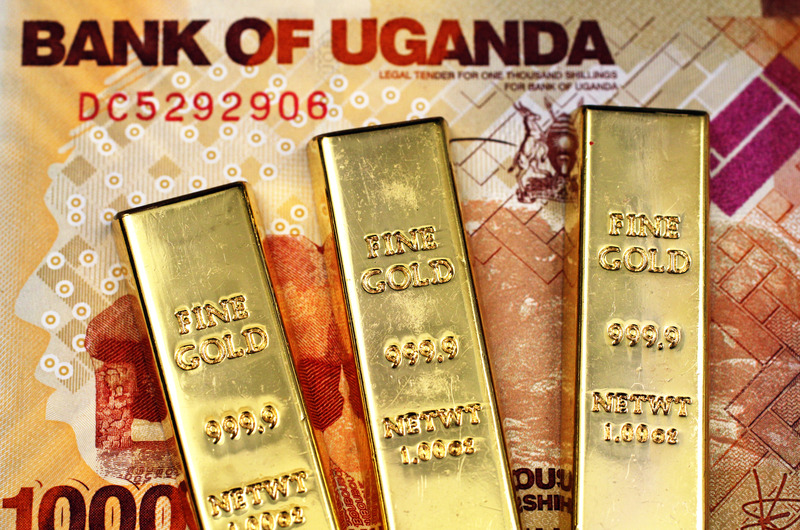
Gold buyers are often drawn to a bar’s weight and stamped purity. While those numbers matter, they do not fully explain what you are paying for.
To buy pure gold bars intelligently, look beyond the metal’s colour and the words “24 karat.” Confirm the purity, weight, documentation, and seller’s authority. You should also know whether the bar will be practical to store and resell in your market.
This is especially important when buying gold sourced from the Democratic Republic of the Congo (DRC) via Kampala, Uganda. A strong purchase requires both physical and legal verification.
This guide explains how purity is expressed, why two bars with similar markings may have different commercial value, and what to check before committing funds.
“Pure Gold” Is a Measurement, Not a Marketing Phrase
“Pure gold” should never be seen as a complete product description. The seller should state a measurable fineness supported by an assay.
Purity is commonly expressed in karats or fineness. Karats divide the metal into 24 parts, while fineness expresses its gold content in parts per thousand:
- 999.9 fine denotes 999.9 parts of gold per 1,000, commonly described as 99.99% pure or “four nines” gold.
- 999 fine means 999 parts of gold per 1,000, or 99.9%.
- 995 fine means 995 parts of gold per 1,000, or 99.5%.
- 916.7 fine is approximately 22-karat gold.
The LBMA’s explanation of gold purity shows why fineness is more precise than a general claim. The quotation and assay should use a recognised numerical measure.
“Pure” means the claimed gold content can be stated, tested, and used to calculate value.
Why 999.9 Is Not the Only Sign of a Good Bar
Many buyers seek 999.9 fine bars, but a lower number does not automatically indicate an illegitimate product.
The London Bullion Market Association’s Good Delivery specifications set a minimum fineness of 995.0 for qualifying wholesale bars. The recognised one-kilogram “four nines” specification requires 999.9.
These products serve different markets. A wholesale bar can be valued by its exact fine-gold content, while 999.9 is familiar in many kilobar markets.
The useful question is whether the bar meets your market’s specifications, documentation and resale expectations.
Calculate the Gold Content, Not Just the Bar Weight
Gross weight includes all the metal in a bar. On the other hand, fine-gold weight indicates how much gold there is.
For example:
- A 1,000-gram bar assayed at 999.9 fine contains 999.9 grams of gold.
- A 1,000-gram bar assayed at 995 fine contains 995 grams of gold.
The difference becomes significant across several bars. Compare offers using verified fine-gold content, not gross kilograms alone.
Doré should not be priced as refined bullion. It may contain silver, copper, and other metals, so only an assay can establish its gold content.
Decide What Kind of Gold Bar You Need
The right bar depends on its intended use. A refinery, a jewellery manufacturer, and a private investor require different products.
Cast Bars
Cast bars are made by pouring molten gold into moulds. They may have surface variations, but their value depends on verified specifications rather than finish.
Minted Bars
Minted bars are cut from refined blanks and finished precisely. Typically, they come in tamper-evident packaging with an assay card. This is the reason they often carry a higher premium.
Kilobars and Large Wholesale Bars
Kilobars are widely traded internationally, while the approximately 400-troy-ounce London Good Delivery bar serves wholesale markets. The World Gold Council’s investment guide lists bars from one gram to 1,000 grams and from one to 400 troy ounces.
Smaller bars allow partial resale. Larger bars may reduce the per-gram fabrication premium but require more capital.
Before requesting a quotation, specify the weight, required fineness, bar type, intended use and destination country.
Check What Is Marked on the Bar
Markings help identify a bar but are not proof by themselves. An investment bar should normally display:
- The refiner or producer’s name or mark
- The bar’s weight
- Its declared fineness
- A unique serial number, where applicable
- The production year or other traceability information, where required
These details should match the certificate, packing list, invoice, and inventory records. A serial number has little value without supporting records.
When considering markings, treat them as one of the layers within a wider verification process.
What Does the Certificate Actually Prove?
Certificates serve different purposes. An assay records tested purity. A certificate of analysis may identify the refiner, serial number, weight and fineness. A certificate of origin addresses provenance, not purity.
Here are the questions you should ask before relying on a document:
- Who issued it?
- Can the issuer be contacted independently?
- Does it identify the specific bar or consignment?
- Do the serial number, weight, and fineness match the bar?
- Is the document current and complete?
A report issued for another consignment cannot establish the value of your bars.
Arrange Independent Testing Before Final Payment
Appearance cannot confirm purity. Plated or filled bars may look convincing.
X-ray fluorescence provides a rapid, non-destructive reading of surface composition. High-value or unfamiliar bars may need additional testing. Fire assay determines gold content from a representative sample but is destructive.
Depending on the bar and transaction, verification may combine:
- Calibrated weight and dimension checks
- Examination of markings and serial numbers
- X-ray fluorescence testing
- Density or ultrasonic testing
- Representative sampling and fire assay
The agreement should name the facility, witnesses, pricing, results, and remedy for a failed specification. Tested bars must remain identifiable and secure.
Gold Vault Store’s frequently asked questions identify fire assay and X-ray fluorescence as its testing methods. Confirm what applies to your order.
Price the Bar from the International Market Outwards
A gold-bar quotation should begin with an agreed international benchmark and account for fine-gold content and transaction terms.
The final price may reflect:
- The prevailing gold benchmark
- Verified purity and fine-gold weight
- Refining and fabrication costs
- Bar size and brand
- Assay or inspection costs
- Taxes, royalties and regulatory fees
- Insurance and secure transport
- The dealer’s disclosed margin
Small minted bars often cost more per gram because manufacturing and packaging costs are spread across less gold. Compare the premium with the likely resale price.
A deep discount should invite investigation. The bar may not exist, may contain less gold than claimed, or may lack lawful documentation.
Compare Gold-Bar Quotations on the Same Basis
Two quotations can appear similar while describing different products and responsibilities. One price may include refining, assay, insurance and delivery; another may cover only collection of untested metal in Kampala. The headline price is therefore not enough.
Before deciding which offer provides better value, place the quotations on the same basis. Confirm:
- The exact bar size, number of bars and total gross weight
- The required fineness and how it will be verified
- The fine-gold quantity used in the calculation
- The market benchmark and time at which the price will be fixed
- Every premium, discount, fee and tax
- Who pays for testing, export documents and insurance
- The delivery point and the moment risk transfers
- What happens if the final assay differs from the quotation
This comparison can reveal that the lowest-looking price is not the least expensive completed transaction. A higher quotation may offer better value when it includes verified 999.9 bars, reliable documentation and secure delivery. A buyer with refining capacity may instead prefer a lower-purity product if the price correctly reflects its recoverable gold and processing costs.
The relevant measure is not the cheapest kilogram. It is the total cost of acquiring each verified gram of gold in a form you can lawfully receive and use.
Verify the Seller and the Bar’s Legal Origin
A genuine bar remains unsafe if the seller does not own it or cannot lawfully export it.
Verify the company’s registration, address, mineral trading authority, and representatives. Names on the quotation, contract, invoice, and bank account should agree.
For gold originating in the DRC and moving through Uganda, records should connect the bar to its source and demonstrate lawful movement between the two countries. Uganda’s mineral licensing procedures state that export-permit applications involving minerals from outside Uganda require relevant documents from the country of origin. Depending on the transaction, other records may include certificates of origin, analysis documents and evidence of applicable royalty payments.
Purity and provenance answer different questions. The assay establishes gold content; chain-of-custody documents establish origin and lawful trade. You need both.
Use a Purchase Agreement That Identifies the Actual Bars
The contract should specify the number of bars, weight, fineness, producer, serial numbers, price formula, assay, and required documents.
It should also address:
- When ownership and risk transfer
- Payment milestones
- Export and import responsibilities
- Insurance and delivery terms
- Rejection or refund rights if specifications are not met
- Dispute resolution
Pay the verified company account named in the agreement. For a substantial purchase, consider escrow, an appropriate bank instrument or staged payment linked to verification milestones.
Plan for Storage and Resale before Buying
Before choosing a bar, establish where it will be stored, how it will be insured, and who may buy it later.
Keep the bar, packaging and documentation in good condition. Maintain an inventory of serial numbers, weights, invoices and certificates separately from the gold.
Ask potential dealers or refiners what they accept. An unfamiliar bar may require retesting, while a recognised product with intact documentation may move more easily. Purity determines content; recognition affects liquidity.
Warning Signs When Buying Pure Gold Bars
Here are some reasons why you should pause a transaction. If the seller,
- Uses “24K” or “pure” but fails to state measurable fineness
- Seems uncomfortable with independent weight and purity testing
- Provides certificates that do not identify the bars
- Offers gold far below its recoverable market value
- Cannot explain the origin or ownership of the bars
- Requests payment to an unrelated person
- Changes bank details without a verifiable reason
- Claims export or customs procedures can be bypassed
- Pressures you to pay before reviewing the agreement
- Introduces repeated, unexpected clearance charges
No single document should carry the entire transaction. The seller, bar, assay, ownership, price, and delivery route should support one another.
Buy Pure Gold Bars in Kampala Through Gold Vault Store
Gold Vault Store is based at 29 Philip Road Building, Nakasero, Kampala, Uganda, and supplies local and international buyers. State the required bar size, fineness, quantity, and destination when enquiring.
Gold Vault Store’s gold-bar production overview describes its approach to producing, marking, and documenting bullion bars. Buyers can also review the guides on where to buy gold safely and how to buy gold directly from miners before structuring a purchase.
To request current availability and transaction terms, contact Gold Vault Store, call +256 788 106 745 or email info@goldvaultstore.com.
Buy the Evidence, Not Just the Shine
A standardised bar can translate valuable metal into a measurable, documented and tradeable product.
That value depends on more than a purity stamp. Confirm the fine-gold content, weight, markings, documents, seller’s authority, and origin. Then ask whether the bar can be efficiently insured, stored, and resold.
When every answer supports the next, “pure gold” becomes more than a promise. It becomes a specification you can verify and a purchase you can defend.
